A Race to Economic Recovery? What Q1-2019 economic indices tell us Strong business activity is not yet evident in Puerto Rico. Although all Q1-2019 quarterly indices are in positive territory, the path forward is still unclear. Construction, fueled by some federal disaster recovery funds, continues to have some wind under its wing. However, the consumer remains cautious as evidenced by continued decline in retail sales. Manufacturing is not a growth rod, although it is a stabilizing force. Banking continues profitable and reacting, rather than, providing stimulus with industrial and commercial loans. Where are we heading in the next 3 to 4 months? Are there signs of positive growth or not enough to pull the PR economy from its current depression? Will President Trump’s incorrect perception of a $91 billion package of inflated relief assistance change the outlook? This Compass attempts to provide answers to these questions. Q1/19

Q1 2019: A Race to Economic Recovery?

What Q1-2019 economic indices tell us

Strong business activity is not yet evident in Puerto Rico. Although all Q1-2019 quarterly indices are in positive territory, the path forward is still unclear. Construction, fueled by some federal disaster recovery funds, continues to have some wind under its wing. However, the consumer remains cautious as evidenced by continued decline in retail sales. Manufacturing is not a growth rod, although it is a stabilizing force. Banking continues profitable and reacting, rather than, providing stimulus with industrial and commercial loans. Where are we heading in the next 3 to 4 months? Are there signs of positive growth or not enough to pull the PR economy from its current depression? Will President Trump’s incorrect perception of a $91 billion package of inflated relief assistance change the outlook? This Compass attempts to provide answers to these questions.
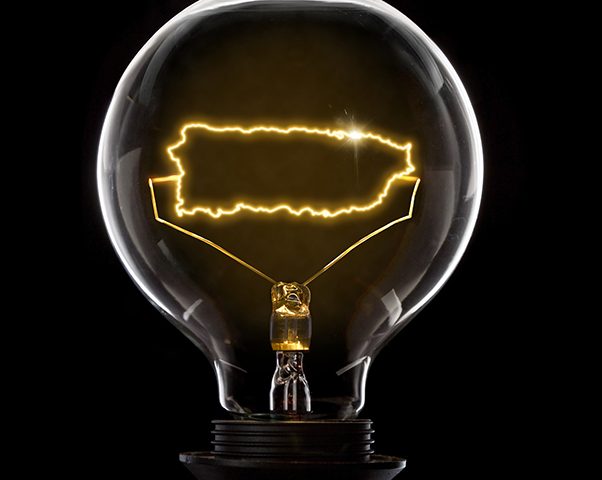

Puerto Rico Electricity

03/2019: The Unfinished Business of Redoing PREPA – Above all, it needs to figure out how it can operate in PR´s future

The privatization of the PR Electricity Power Authority (PREPA) has become a rallying cry for many over the last few years. With it, a consensus has slowly emerged that the company’s shortfalls can only be addressed by the private sector and this will generate much-needed liquidity for the Commonwealth. A closer look, however, reveals that the situation is more complex than meets the eye. Chief amongst the unresolved challenges are PREPA’s future operating model and the lack of an optimization process to determine the company’s investment priorities. Whether we like it not, PR’s systemic risks will remain elevated for some time, most of which will be impossible to mitigate. In consequence, PREPA will have to adapt constantly to changing conditions on the ground, making the need for operational flexibility and the ability to quickly change priorities all the more pressing. Final success—or failure—will largely depend on this and not simply on a change of ownership.

Rebuild Electricity

02/2019: The Uphill Fight to Rebuild Electricity – Overhaul and proposed reforms for PR’s energy sector

Puerto Rico urgently needs an overhaul of its energy sector. For decades, the Puerto Rico Electricity Authority (PREPA), an inefficient and obsolete behemoth, has piled up debt, fueled fiscal woes, and become a hindrance to economic development. Most stakeholders, public and private, advocate privatization as the best choice to put PREPA to rest. However, a year and a half after hurricane María, we still have a myriad of conflicting policies, fragmented efforts, and some proposals butting heads, instead of a clear path forward. Sweet promises abound, driven by wishful thinking, instead of rationality. Privatization is already in motion, but it still lacks the appropriate regulatory framework. This issue analyzes the local energy sector and reviews proposed reform options.

01/2019: The Banking Sector’s Current Impasse

Remaking Puerto Rico's Banking SectorThe remaking of PR’s economic landscape will reshape banks
The last fifteen years witnessed a remaking of PR’s banking sector that continues to unfold. The process has been largely uneven as consolidations, the bursting of a real estate bubble, an economic depression, population decline, and the default of public debt have all had a direct impact on the sector’s core capabilities and operations. In response to this, banks were forced to retrench their activities, mitigate risk, and become risk-averse. This, understandably, has resulted in a more passive sector, one that, in the future, stands to react rather than lead the creation of new economic opportunities. In this sense, unless the recovery funds are managed to create the right incentives for them to remain on the Island, the banks will simply not leverage capital to jumpstart much needed economic growth, or support development, regardless of continued interest rate hikes. The stakes at the moment could not be higher. PR must get it right this time.